Many people grow up wishing their teeth were straighter or better aligned. In the past, metal braces were the main option but today, clear aligners offer a more discreet path to improved dental alignment. If you have been looking into clear aligners in West Ryde, you may be wondering whether this treatment is right for your specific concerns.
This article explains the most common dental problems that clear aligners may help address. Understanding what this treatment can and cannot do is an important first step before speaking with a dental professional about your options.
Crowded Teeth
Crowding happens when there is not enough space in the jaw for all the teeth to sit in a straight line. As a result, teeth overlap, twist, or push against each other.
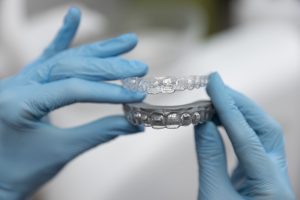
Mild to moderate crowding is one of the most common reasons people seek orthodontic treatment. Clear aligners in West Ryde work by applying gentle, consistent pressure to gradually shift teeth into better positions. Over a series of custom-made trays, the teeth may be guided into a more orderly alignment.
Crowded teeth can also make cleaning more difficult. Overlapping areas are harder to brush and floss properly, which may increase the risk of plaque build-up and tooth decay over time. Improving alignment may also support better long-term oral hygiene.
Gaps Between Teeth
Spacing issues, where noticeable gaps appear between one or more teeth, are another concern that clear aligners may help address. These gaps can develop for a variety of reasons including differences in jaw size, missing teeth, or the natural growth pattern of individual teeth.
Gaps can affect both the appearance of a smile and the way teeth function when biting and chewing. In some cases, food may become trapped in larger gaps, affecting gum health.
Clear aligner treatment for spacing issues works by gradually moving teeth closer together. The extent to which spacing can be corrected will depend on the size of the gaps and the overall structure of the mouth.
Overbite
An overbite refers to a condition where the upper front teeth overlap the lower front teeth more than is typical. Some degree of overlap is normal, but when the overbite is more pronounced, it can place strain on the teeth and jaw.
Over time, an excessive overbite may cause the lower teeth to wear against the back of the upper teeth, which can affect tooth structure. It may also be associated with jaw discomfort in some individuals.
Clear aligners can be used to help manage mild to moderate overbites by gradually repositioning the upper and lower teeth. A thorough assessment by a dental professional is important to determine whether this approach is suitable for your particular bite pattern.
Underbite
An underbite occurs when the lower front teeth sit in front of the upper front teeth when the mouth is closed. This can affect how the teeth meet and how efficiently the jaw functions during chewing and speaking.
Underbites can range in severity. Mild cases may be suitable for clear aligner treatment, while more complex presentations may require additional orthodontic approaches. Your dentist in West Ryde will be able to assess the degree of the underbite and advise on the most appropriate treatment pathway for your individual situation.
What Causes an Underbite?
Underbites may be related to jaw development, genetics, or early childhood habits. They do not always cause discomfort, but when left unaddressed, they may contribute to uneven tooth wear or jaw strain over time.
Crossbite
A crossbite occurs when some of the upper teeth sit inside the lower teeth rather than outside them. This can affect a single tooth or a group of teeth, and it may appear at the front or the back of the mouth.
Crossbites can lead to uneven wear on the surfaces of the teeth. In some cases, they may also affect the way the gums sit around the teeth and could influence jaw function over time.
Clear aligners may be used to address mild crossbites by guiding the relevant teeth into more functional positions. The suitability of this treatment will depend on the specific nature and extent of the crossbite.
Open Bite
An open bite describes a situation where the upper and lower front teeth do not make contact when the mouth is fully closed. This can affect a person’s ability to bite into certain foods and may also influence speech patterns.
Open bites at the front of the mouth are more commonly associated with clear aligner treatment. In some cases, additional orthodontic tools or appliances may be recommended alongside aligner therapy, depending on the underlying cause and severity.
A dental assessment can help determine whether clear aligners alone, or in combination with other approaches, would be appropriate for managing an open bite.
Frequently Asked Questions
Are clear aligners suitable for children and teenagers?
Clear aligner systems have been developed for both adult and teenage patients. Options designed for younger patients often include features that account for teeth still in development. However, the suitability of clear aligners for a young patient will depend on their specific dental development. A consultation with a dental professional can help determine whether now is the right time to begin treatment.
How long does clear aligner treatment typically take?
Treatment duration varies from person to person and depends on the complexity of the dental concerns being addressed. Some individuals may complete treatment in as few as six months, while others with more complex needs may require treatment over a longer period. Your dentist will be able to provide a more personalised estimate based on your assessment.
Do clear aligners work as well as traditional braces?
Clear aligners and traditional braces are both established orthodontic tools. The most appropriate choice depends on the specific dental concerns being treated. Clear aligners are generally well-suited to mild to moderate alignment issues, while more complex cases may sometimes benefit from other approaches. A professional assessment is the best way to explore which option aligns with your needs.
What happens after clear aligner treatment is complete?
After completing a course of clear aligner treatment, a retainer is typically recommended to help maintain the new position of the teeth. Teeth can shift over time if they are not supported, so wearing a retainer as directed is an important part of preserving the results of treatment.
Conclusion
Clear aligners may be a suitable option for a range of dental concerns, including crowding, spacing, overbites, underbites, crossbites, and open bites. Whether this treatment is right for you depends on the nature and severity of your individual dental needs. A thorough consultation with a qualified dental professional is the most reliable way to understand your options.
If you have questions about orthodontic treatment and would like to explore what may be available to you, the team at Dental and Facial Clinic West Ryde welcomes patients for informational consultations to discuss their dental health goals.
References:
- National Health Service. (n.d.). Orthodontics. Available at: https://www.nhs.uk/tests-and-treatments/orthodontics/
- World Health Organization. (n.d.). Oral health. Available at: https://www.who.int/health-topics/oral-health
- American Dental Association. (n.d.). Braces and clear aligners. Available at: https://www.mouthhealthy.org/all-topics-a-z/braces/
- Australian Government – Healthdirect. (n.d.). Orthodontics and teeth alignment. Available at: https://www.healthdirect.gov.au/orthodontist