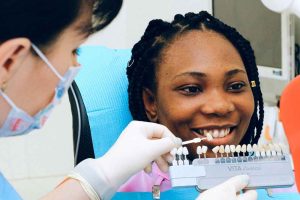
Tooth loss can significantly impact your quality of life, affecting everything from eating and speaking to your confidence and self-esteem. If you’re missing several teeth or struggling with failing natural teeth, you may have heard about All-on-4® dental implants in West Ryde as a comprehensive solution.
But what exactly are they, and how do they differ from traditional dentures or other implant options? This guide will walk you through everything you need to know about All-on-4® dental implants, how they work, their advantages, what the procedure involves, and whether they might be right for your situation.
By understanding this innovative treatment option, you can make an informed decision about your oral health and future smile.
What Are All-on-4® Dental Implants?
All-on-4® dental implants are a modern solution for replacing a full arch of missing teeth using just four implants. Unlike traditional methods that may require one implant per tooth, this approach reduces surgery and uses available bone effectively.
Many patients consider all-on-4® dental implants in West Ryde for their efficiency and reliable results. The implants support a fixed bridge of teeth that stays securely in place, offering a natural look and feel.
This treatment improves chewing, speech, and overall comfort while providing a long-term alternative to removable dentures, helping restore both function and confidence in everyday life.
How Do All-on-4® Implants Work?
The success of All-on-4® dental implants lies in their strategic placement and biomechanical design. Here’s how the system functions:
The Four Implant Positioning
Two implants are placed at the front of the jaw in an upright position, where there’s typically more bone available. Two additional implants are positioned at an angle towards the back of the jaw.
This angled placement takes advantage of existing bone without requiring major bone grafting procedures in most cases. The angled positioning also helps distribute bite force more effectively across the arch, providing improved stability for many patients compared to removable options.
Osseointegration: Building a Strong Foundation
Once the implants are surgically placed into your jawbone, a process called osseointegration begins. Over several months (typically 3–6 months), the jawbone gradually fuses with the titanium implant surface, creating a strong and durable bond.
This biological integration is what makes implants a long-term tooth replacement option. Once fully integrated, the implants become a stable foundation for your replacement teeth.
This biological integration is what makes implants so durable and long-lasting. Once fully integrated, the implants become a stable foundation for your replacement teeth.
The Prosthetic Arch
After osseointegration is complete, a custom-designed prosthetic arch featuring a full set of replacement teeth is securely attached to the four implants.
This arch is fixed in place and cannot be removed by you, unlike traditional dentures. The entire structure functions as a unit, distributing chewing forces evenly and providing the stability and comfort of natural teeth.
Key Advantages of All-on-4® Implants
Fewer Implants Required
Unlike traditional implant approaches where each missing tooth needs its own implant, All-on-4® uses just four implants to support an entire arch. This means fewer surgical procedures, reduced treatment time, and potentially lower costs compared to full-mouth implant therapy.
Minimal Bone Grafting
Many patients seeking tooth replacement have experienced bone loss in the jaw due to missing teeth. All-on-4® implants’ strategic angled positioning often eliminates or significantly reduces the need for bone grafting procedures.
Bone grafting can be time-consuming and expensive, so avoiding it is a major advantage for many patients.
Improved Quality of Life
All-on-4® implants provide superior comfort and functionality compared to traditional removable dentures.
With guidance from a dentist in West Ryde, patients can enjoy a secure, fixed solution that allows them to eat the foods they love, speak clearly without worry, and maintain a natural-looking smile without concerns about movement or stability that can occur with traditional removable dentures.
The fixed nature of the prosthesis also means no messy adhesives or nightly removal and cleaning routines, which many patients find more convenient for everyday life.

Preserves Bone Health
When teeth are missing, the jawbone gradually deteriorates through a process called resorption. All-on-4® implants stimulate the jawbone, helping to preserve bone density and maintain your facial structure over time.
This preservation of bone is essential for long-term oral health and maintaining your youthful appearance.
Faster Treatment Timeline
Because All-on-4® requires fewer implants and often no bone grafting, the overall treatment process is typically faster than traditional full-mouth implants. Many patients can transition to their permanent prosthesis within 3–6 months.
The All-on-4® Procedure: What to Expect
Initial Consultation and Assessment
Your journey starts with a detailed dental check-up, including digital scans or a 3D CT scan. The dentist evaluates your bone structure, discusses your goals, and confirms if All-on-4® is suitable. It’s also the right time to ask questions and clear any concerns.
Implant Placement Surgery
The procedure is done under local anaesthesia for comfort. Four implants are placed into the jaw using precise angles. Surgery usually takes 2–3 hours, with only mild swelling or tenderness expected afterwards.
Healing and Osseointegration
Healing takes about 3–6 months. During this time, temporary teeth are used while the implants bond with the bone. Regular visits help monitor proper healing.
Permanent Prosthesis Placement
Once healing is complete, a custom permanent set of teeth is attached. The dentist ensures proper fit, bite, and appearance, making small adjustments for comfort and function.
All-on-4® Implants vs. Other Options
All-on-4® vs. Traditional Dentures
Traditional dentures sit on the gums and may shift while eating or speaking. They also need daily removal and adhesives. All-on-4® implants are fixed in place, offering better stability and comfort. However, they require surgery and a longer treatment time, while dentures are quicker to make.
All-on-4® vs. Full-Mouth Traditional Implants
Traditional implants often need 10–14 implants for a full arch, leading to more surgery, higher costs, and longer treatment. All-on-4® uses fewer implants while still providing strong, reliable results, making it a simpler option for many patients.
All-on-4® vs. Bridges and Partial Dentures
Bridges and partial dentures are suitable for replacing a few missing teeth but not ideal for full tooth loss. All-on-4® is designed for patients missing most or all teeth, offering a more complete and long-term solution.
Frequently Asked Questions About All-on-4® Implants
Is the All-on-4® Procedure Uncomfortable?
The procedure is performed under local anaesthesia. Most patients report some mild swelling or tenderness after surgery, which can be managed with medication and ice packs. Your dental team will provide post-operative care instructions to support your recovery.
How Long Do All-on-4® Implants Last?
All-on-4® implants are designed to be a long-term solution. With consistent oral hygiene and regular dental check-ups, implants may remain stable for many years. The attached prosthetic teeth may require replacement after 10–15 years due to normal wear. Individual outcomes vary depending on health, lifestyle, and care routines.
What Is the Cost of All-on-4® Implants?
All-on-4® is often more affordable than full-mouth implants. Costs vary based on your needs, location, and dentist’s expertise. Many clinics offer flexible payment options to make treatment easier to manage.
Can I Get All-on-4® Implants If I Have Bone Loss?
All-on-4® can work for patients with moderate bone loss due to angled implant placement. In severe cases, bone grafting may be required. Your dentist will assess your suitability during consultation.
How Do I Care for All-on-4® Implants?
Maintain daily brushing, use implant-friendly floss, and visit your dentist regularly. Avoid smoking and limit alcohol to protect dental implant health and ensure long-term success.
Choosing the Right Treatment for You
All-on-4® dental implants represent a significant advancement in tooth replacement, offering a practical, durable, and aesthetically pleasing solution for extensive tooth loss.
They’re particularly well-suited for patients who want the functionality and appearance of natural teeth without the drawbacks of removable dentures.
However, the best treatment option depends on your individual situation, including your bone structure, health status, budget, and lifestyle.
During a consultation with your dental team, you can explore whether All-on-4® is the right choice for you or whether an alternative approach better suits your needs.
Conclusion
All-on-4® dental implants offer a practical, long-term option for patients dealing with extensive tooth loss. They may support improved function, comfort, and appearance compared to removable dentures, and are designed to integrate with your jawbone for lasting stability.
The right treatment option depends on your individual circumstances, including bone structure, overall health, and personal goals. At Dental and Facial Clinic West Ryde, our team is here to guide you through your options and help you understand what may be suitable for your situation. We welcome you to book a consultation to discuss your needs and explore the treatment options available to you.
References:
- MedlinePlus (U.S. National Library of Medicine). (2024). Orthodontia. Available at: https://medlineplus.gov/orthodontia.html
- American Academy of Implant Dentistry. (n.d.). What are dental implants? Available at: https://aaid-implant.org/faqs/what-are-dental-implants/
- World Health Organization. (n.d.). Oral health. Available at: https://www.who.int/health-topics/oral-health#tab=tab_1
- National Institute for Health and Care Excellence (NICE). (n.d.). Oral and dental health guidance. Available at: https://www.nice.org.uk/guidance/conditions-and-diseases/oral-and-dental-health