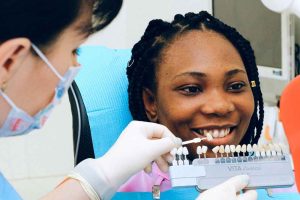
A child’s smile can change quickly in just a few years. Baby teeth fall out, adult teeth grow in, and the jaw develops at the same time. Sometimes everything lines up naturally. Other times, there is not enough space for the new teeth to fit properly.
When that happens, teeth can crowd, twist, or grow in the wrong direction. In some children, the upper jaw may also be too narrow, which can affect the bite and even breathing.
This is where early orthodontic care becomes important. Many parents are familiar with Braces for Kids, but fewer understand how palatal expanders work alongside them. These two treatments often go hand in hand.
One focuses on widening the jaw, while the other focuses on straightening the teeth. When used together at the right time, they guide a child’s smile as it grows.
What Is a Palatal Expander?
A palatal expander is a dental device that gently widens the upper jaw. It is mainly used in children because their bones are still growing and more flexible. In young patients, the upper jaw has a soft growth area in the middle, which allows it to be widened slowly and safely.
If the upper jaw is too narrow, adult teeth may not have enough space to come in properly, leading to crowding or crossbite.
Dentists often recommend expansion before starting braces for kids in West Ryde, as creating extra space helps improve alignment and supports a healthier bite.
Basic Structure of a Palatal Expander
The expander sits on the roof of the mouth and is attached to the upper back teeth. In the centre of the device is a small screw. Parents are usually shown how to turn this screw with a special key. Each small turn creates gentle pressure that slowly moves the two halves of the upper jaw apart.
This process is gradual. Over time, new bone forms in the space that opens up, making the change stable. Children may feel light pressure for a few minutes after each turn, but it usually fades quickly. Most children adjust to the device within a few days.
Why Some Children Need Expansion
Some children naturally have a narrow upper jaw. This can cause teeth to overlap because there is not enough space. It may also lead to a crossbite, where the upper teeth sit inside the lower teeth when biting down. If left untreated, this can cause uneven wear on teeth and strain on the jaw.
Early orthodontic checks, often recommended around age seven, help spot these problems early. Treating them during growth can reduce the need for more complicated procedures later.
How Do Braces Work for Children?
While expanders focus on widening the jaw, braces focus on moving the teeth into better positions. Both treatments are different, but they support the same goal: a healthy, well-aligned smile.
Gentle Pressure and Tooth Movement
Braces use small brackets attached to each tooth and connected by a wire. The wire applies steady pressure over time. This pressure encourages the teeth to move gradually into the correct position.
The bone around each tooth responds to this gentle force by reshaping itself. This allows the tooth to shift safely. The process takes time, but it is carefully monitored to keep it controlled and comfortable.
Many families in West Ryde choose early orthodontic evaluations so they can understand whether their child may benefit from this type of guidance.
Why Timing Matters in Growing Kids
Children’s jaws are still developing, which makes early treatment more effective in some cases. Instead of waiting until all adult teeth have come in, dentists can guide growth while it is happening.
Planning for Braces for Kids often begins with an assessment of jaw size, spacing, and bite alignment. Acting at the right time can make treatment smoother and may shorten the overall process.
Why Palatal Expanders and Braces Are Often Used Together
Palatal expanders and braces solve different parts of the same issue. When the upper jaw is too narrow, braces alone may not be enough. If there is no space, teeth cannot align properly.
Creating Enough Space for Teeth
Think of the upper jaw like a shelf. If the shelf is too small, books will overlap no matter how neatly you try to arrange them. Widening the shelf first makes it easier to place the books properly.
In the same way, an expander widens the jaw and creates space. Once enough room is available, braces can move the teeth into straight positions. This step-by-step approach often produces better and more stable results.
Improving Bite and Jaw Balance
A narrow upper jaw can cause a crossbite, where the upper teeth sit inside the lower teeth. This uneven bite may lead to jaw discomfort and uneven wear over time. Visiting a trusted dentist in West Ryde can help identify the issue early.
An expander widens the upper jaw to correct the bite, and braces then align the teeth properly. Together, these treatments improve both appearance and function, giving families clear reassurance about each step of care.

Step-by-Step: What the Treatment Process Looks Like
Orthodontic care usually follows a clear plan. Knowing what to expect can make the journey easier for both parents and children.
Early Assessment
The first step is a full dental examination. X-rays and digital scans are used to study tooth position and jaw development. This helps determine whether expansion is needed before braces.
At Dental and Facial Clinic West Ryde, children are carefully assessed to decide the best timing for treatment. Some may need early expansion, while others may only need monitoring for a period of time.
Expansion Phase
If an expander is recommended, it is placed and adjusted slowly over several weeks. Parents turn the key as instructed, usually once a day or as advised.
During this time, a small gap may appear between the front teeth. This is a normal sign that the jaw is widening. After the desired width is reached, the expander remains in place for a short period to allow new bone to stabilise the area.
Transition to Braces
Once enough space has been created, braces are placed to align the teeth. In some cases, there may be a short waiting period before braces begin. This depends on the child’s growth stage.
The braces then guide each tooth into its ideal position. Because the jaw has already been widened, tooth movement can happen more smoothly.
Benefits of Combining Both Treatments
Using both expanders and braces offers several important benefits. This approach focuses on both structure and alignment.
Better Alignment
When the jaw has enough width, teeth can line up properly without severe crowding. Straight teeth are easier to clean and maintain, which helps support long-term oral health.
Healthier Breathing and Jaw Growth
Widening the upper jaw may support better airflow through the nose in some children. A balanced jaw can also reduce pressure on facial muscles and joints. Addressing these issues early supports healthy growth and overall comfort.
Long-Term Stability
Correcting the jaw first creates a strong foundation for tooth alignment. When teeth are positioned within a properly sized jaw, results are often more stable over time. This means children can enjoy a healthy smile well into adulthood.
What Parents Should Expect During Treatment
It is normal for parents to have questions about comfort and daily care.
Comfort and Adjustment Period
Children may feel mild pressure during the first few days with an expander. Speaking may sound slightly different at first, but this usually improves quickly. Soft foods can help during the adjustment period.
Braces may cause mild soreness after adjustments. This discomfort is temporary and manageable.
Cleaning and Care Tips
Good oral hygiene is very important during orthodontic treatment. Brushing carefully after meals helps prevent plaque build-up around brackets and the expander. Regular check-ups allow progress to be monitored and help keep treatment on track.
Conclusion
Palatal expanders and braces work together to guide a child’s developing smile. The expander widens the upper jaw to create space and improve bite balance. Braces then align the teeth within that newly created space.
When used at the right stage of growth, this combination supports healthy development and long-term stability. Early assessment helps parents understand their child’s needs and plan the best course of action.
If you are considering orthodontic care for your child, the team at Dental and Facial Clinic West Ryde can provide clear advice and professional guidance to support a confident, healthy smile.
References:
- American Association of Orthodontists. (n.d.). Palatal expanders and early orthodontic treatment. Available at: https://aaoinfo.org/whats-trending/palatal-expander/
- MedlinePlus. (n.d.). Orthodontia. Available at: https://medlineplus.gov/orthodontia.html
- World Health Organization. (2022). Oral health fact sheet. Available at: https://www.who.int/news-room/fact-sheets/detail/oral-health
- Centers for Disease Control and Prevention. (n.d.). Children’s oral health. Available at: https://www.cdc.gov/oral-health/prevention/oral-health-tips-for-children.html