Teeth whitening is one of the most popular cosmetic dental treatments in the world and for good reason. It’s a quick, non-invasive way to brighten your smile, enhance your appearance, and boost your confidence. Whether you’re getting ready for a wedding, a big presentation, or simply want to look your best every day, teeth whitening can make a remarkable difference.
However, one question often comes up before booking a whitening session: “How long do teeth whitening results last?”
The truth is, there isn’t a one size fits all answer. How long your results last depends on the type of whitening treatment you choose, your oral hygiene habits, lifestyle factors, and even your natural tooth structure.
In this article, we’ll explore these factors in detail, compare the different whitening options, and share proven tips to keep your smile brighter for longer. By the end, you’ll know exactly how to protect your investment and enjoy your results for as long as possible.
What Affects the Duration of Teeth Whitening Results?
Your whitening results don’t fade overnight, they gradually diminish as your teeth are exposed to staining agents and natural wear. The rate at which this happens depends on a few important factors.
1. Type of Whitening Treatment
The first and most important factor is the type of whitening treatment you choose. Some treatments deliver dramatic, long lasting results, while others require more frequent top ups.
Professional Whitening Treatments
Professional whitening treatments, like those performed by a dentist, use high concentration bleaching agents that can penetrate deeply into the enamel. They also often involve advanced technology such as light activated systems like Zoom whitening, that speeds up and enhances the results.
Because these treatments are more powerful and precisely applied, the results generally last much longer than over the counter options, often between one and three years with proper care.
When performed by a dentist in West Ryde, in office whitening also comes with the benefit of a tailored approach. Your dentist can adjust the treatment to suit your tooth sensitivity, desired shade, and overall oral health, giving you a more predictable and long lasting outcome.
At Home Whitening Kits
At home kits such as whitening strips, trays, and gels are convenient and more budget friendly. However, they typically contain lower strength whitening agents, which means the results develop more slowly and don’t last as long.
With consistent use, at home whitening results can last a few months to a year, but you’ll likely need to reapply every couple of months to keep your preferred shade.
One key tip: follow the product instructions carefully. Overusing whitening kits can damage your enamel, while underusing them can lead to disappointing results.
2. Your Oral Care Routine
How you care for your teeth after whitening plays a huge role in maintaining your results. Even the most advanced whitening treatment will fade faster if plaque, tartar, and surface stains are allowed to build up.
A strong routine should include:
- Brushing twice daily with a fluoride toothpaste.
- Flossing once a day to remove plaque between teeth.
- Using an antibacterial mouthwash to fight bacteria that contribute to staining.
Scheduling regular check ups and cleanings with your dentist in West Ryde is also essential. Professional cleanings remove surface stains and plaque that brushing alone can’t tackle, helping your whitened teeth stay fresh and bright.
3. Diet and Lifestyle Choices
Your eating and drinking habits have a major impact on how long your whitening lasts. Certain foods and drinks are well known for causing stains, including:
- Coffee and tea – Both are highly pigmented and can darken enamel over time.
- Red wine – Its deep colour and acidity make it a top culprit for staining.
- Cola and other sodas – Acidic drinks can weaken enamel, making teeth more prone to stains.
- Berries – Blueberries, blackberries, and cherries are nutritious but can leave dark pigments on teeth.
- Soy sauce and dark condiments – These can gradually dull your smile if consumed frequently.
Tobacco use, whether smoking or chewing, is one of the fastest ways to lose your whitening results. Tar and nicotine leave persistent stains that can be very difficult to remove.
If you can’t give up these items entirely, try to limit them and rinse your mouth with water afterwards. Using a straw for drinks like iced coffee or soft drinks can also help minimise contact with your teeth.
Regular teeth whitening treatment can help counteract these stains and keep your smile looking brighter for longer, especially when combined with good daily oral hygiene habits.
4. Natural Tooth Colour and Enamel Structure
Your natural tooth colour and the structure of your enamel can influence how long whitening lasts.
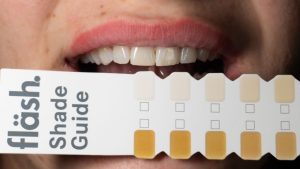
Some people have more porous enamel, which absorbs stains quickly, while others have denser enamel that resists discolouration. Those with naturally lighter teeth may find their results last longer compared to individuals with naturally darker shades.
It’s also worth noting that dental restorations, such as crowns, fillings, or veneers do not respond to whitening treatments. This means there could be a noticeable colour difference if your natural teeth become brighter while your restorations remain the same shade.
How Long Do Teeth Whitening Results Last?
Now that we’ve covered the key factors, here’s what you can realistically expect:
Professional Whitening (In Office Treatments)
With good aftercare, professional whitening can last anywhere from one to three years. Some patients even see longer lasting results if they follow their dentist’s advice and maintain excellent oral hygiene.
Why We Recommend Philips Zoom Whitening at Our Clinic
At Dental and Facial Clinic West Ryde, we proudly use Philips Zoom Whitening, one of the most advanced and effective professional whitening systems available today. This light-activated treatment can make teeth up to eight shades whiter in a single visit, offering instant and long-lasting results.
Philips Zoom Whitening combines a powerful yet gentle whitening gel with a specialised LED light that accelerates the whitening process while minimising sensitivity. It’s ideal for patients who want noticeable results quickly whether before a wedding, event, or simply to boost everyday confidence.
Our dentists customise each treatment to your comfort level and desired shade, ensuring a safe, consistent, and naturally bright smile that lasts.
At Home Whitening Kits
Most at home options last around six months to a year, but touch ups every few months are usually needed to maintain peak brightness.
Tips for Prolonging Your Teeth Whitening Results
If you’ve invested in whitening, it’s worth taking a few extra steps to keep your smile glowing for as long as possible.
1. Maintain a Strong Oral Hygiene Routine
The simplest and most effective way to protect your results is to be diligent with daily care. Brush twice a day, floss, and use a mouthwash designed to protect enamel and fight stains.
2. Avoid or Limit Staining Foods and Drinks
If you enjoy coffee, tea, or red wine, try cutting back, switching to lighter alternatives, or drinking through a straw. Rinse your mouth with water afterwards to help wash away pigments before they can settle.
3. Quit Smoking
Smoking not only reverses whitening results but also harms your gums, increases your risk of oral cancer, and causes bad breath. Quitting is one of the best things you can do for both your smile and your overall health.
4. Use Whitening Toothpaste
After whitening, using a gentle whitening toothpaste can help maintain your results by removing surface stains before they become noticeable. Just avoid overly abrasive formulas, as these can wear down tooth enamel.
5. Schedule Regular Touch Ups
Depending on your treatment type, you may want to schedule professional touch ups every 6–12 months. These quick sessions can restore brightness and help your smile look consistently fresh.
Conclusion
Teeth whitening can dramatically improve your smile, but the longevity of your results depends on multiple factors, including your treatment choice, oral hygiene, diet, and lifestyle.
- Professional treatments generally last 1–3 years.
- At home treatments usually last 6–12 months.
If you want results that last, commit to daily oral care, limit staining substances, avoid tobacco, and follow your dentist’s maintenance recommendations.
For personalised advice and long lasting results, consider booking a professional whitening session at Dental and Facial Clinic West Ryde.
Our experienced team can customise your treatment, provide aftercare guidance, and help you enjoy a confident, white smile for years to come.
References
- Grobler, S.R., Majeed, A., Moola, M.H., Oberholzer, T.G. and Rossouw, R.J. (2011) ‘A clinical study of the effectiveness of two different 10% carbamide peroxide bleaching protocols’, South African Dental Journal, 66(3), pp.128–133. Available at: https://www.ncbi.nlm.nih.gov/pmc/articles/PMC3124242/
- El Sayed, S.M. and Nassar, H.M. (2024) ‘One-year clinical follow-up of the rebound of bleached teeth color using two different in-office bleaching techniques’, Egyptian Dental Journal, 70(2), pp.1521–1530. Available at: https://www.researchgate.net/publication/382260819_One_Year_Clinical_Follow-up_of_the_rebound_of_bleached_teeth_Color_using_of_two_different_in-office_bleaching_techniques
- Moghadam, F.A., Taher, A. and Rezaei, M. (2013) ‘The degree of color change, rebound effect and sensitivity of bleached teeth’, European Journal of Dentistry, 7(4), pp. 414–419. Available at: https://www.thieme-connect.com/products/ejournals/pdf/10.4103/1305-7456.120655.pdf
- Altınışık, E., Özcan, E. and Uysal, T. (2025) ‘Clinical evaluation of in-office bleaching with low, medium, and high hydrogen peroxide concentrations: a randomized controlled trial’, BMC Oral Health, 25(1), p.215. Available at: https://www.ncbi.nlm.nih.gov/pmc/articles/PMC12011655/
- Butera, A., Maiorani, C., Rederiene, G., Checchi, S. and Nardi, G.M. (2024) ‘Evaluation of the Effectiveness of Different Types of Professional Tooth Whitening: A Systematic Review’, Bioengineering, 11(12), p.1178. doi:10.3390/bioengineering11121178. Available at: https://www.mdpi.com/2306-5354/11/12/1178