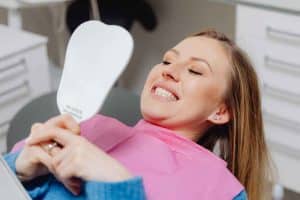
A bright, white smile is often seen as a sign of health, youth, and confidence. Whether you are preparing for a special occasion, an important job interview, or simply want to boost your self esteem, teeth whitening can make a significant difference in how you feel about your smile.
It’s no surprise that this cosmetic dental procedure has become one of the most popular treatments around the world.
Many people seek whiter teeth to improve their appearance or to look more vibrant and refreshed. Over the years, advancements in dental technology have made whitening more accessible, offering solutions for different lifestyles, budgets, and dental needs.
Today, you can choose from professional in-office treatments such as Philips Zoom Whitening, dentist-prescribed take-home kits, over-the-counter products, and even natural remedies.
This guide will explore the most common types of teeth whitening options, how they work, their pros and cons, and how to decide which method will suit you best.
What is Teeth Whitening?
Teeth whitening is a cosmetic procedure designed to lighten the colour of your teeth and make your smile look brighter. It works by removing or reducing stains on the enamel or by altering the internal shade of the tooth itself.
Teeth can darken over time due to:
- Dietary habits such as frequent coffee, tea, red wine, or cola consumption.
- Lifestyle habits like smoking or chewing tobacco.
- Ageing, which naturally thins the enamel and exposes more of the yellowish dentin underneath.
- Medications that can cause deep, internal staining.
There are two main types of tooth discolouration:
- Extrinsic stains occur on the outer surface of the enamel and are usually caused by food, drinks, or smoking.
- Intrinsic stains happen inside the tooth and can be the result of trauma, certain medications, or long term exposure to staining substances.
Teeth whitening treatments are generally more effective on extrinsic stains but can still improve the appearance of intrinsic discolouration depending on the chosen method.
In Office Teeth Whitening Treatments
If you are looking for fast and dramatic results, Philips Zoom Whitening performed by a dentist in West Ryde is one of the best options. This treatment is performed by a dental professional using high strength bleaching agents and often a special light or laser to enhance the whitening process.
How it works:
- The dentist applies a protective barrier to your gums and lips.
- A concentrated Zoom whitening gel is applied to your teeth.
- A special Philips Zoom LED light accelerates the whitening process.
- After just one session, your teeth can appear up to eight shades lighter.
Advantages:
- Instant, noticeable results after a single appointment.
- Safe and gentle on enamel thanks to Zoom’s advanced formula.
- Performed under professional supervision for maximum comfort.
- Ideal for patients who want whiter teeth before an event or photoshoot.
Considerations:
- Higher cost compared to at-home options.
- Temporary sensitivity may occur but usually subsides quickly.
Why We Use Philips Zoom Whitening at Our Clinic
At Dental and Facial Clinic West Ryde, we use Philips Zoom Whitening, one of the most trusted and advanced professional teeth whitening systems available today. It’s designed to deliver noticeably whiter teeth in just one visit, using a powerful yet gentle light-activated formula that safely lifts deep stains without damaging the enamel.
Philips Zoom Whitening is ideal for patients who want fast, long-lasting results with minimal sensitivity. Whether you’re preparing for a special event or simply want to enhance your smile, this system offers predictable, dentist-supervised whitening that’s safe, effective, and tailored to your needs.
If you want immediate, long-lasting results with minimal sensitivity, Philips Zoom Whitening is one of the most effective and widely recommended systems available today.
At Home Teeth Whitening Kits
For those who prefer whitening at their own pace, at home teeth whitening kits are a convenient and effective choice. These can either be bought over the counter or supplied by your dentist.
Types of at home kits:
- Over the counter kits: Come with pre-filled trays or whitening strips. These use lower concentrations of bleaching agents, which means results take longer to appear.
- Dentist prescribed kits: Include custom fitted trays designed to fit your teeth perfectly. This ensures more even coverage and reduces the risk of irritation.
How it works:
- Whitening gel is applied to the trays or strips.
- The trays or strips are worn for a set period each day, often for two to four weeks.
- Results develop gradually, giving you control over how white you want your teeth to become.
Advantages:
- More affordable than in office treatments.
- Can be done at home according to your schedule.
- Professional kits offer excellent results with proper use.
Considerations:
- Requires daily commitment over several weeks.
- Not as fast as professionals in office whitening.
- Overuse can lead to sensitivity.
Over the Counter Teeth Whitening Products
Over the counter whitening products are the most budget friendly option and are widely available in pharmacies and supermarkets.
Common products include:
- Whitening toothpaste: Contains mild abrasives and gentle chemical agents to help remove surface stains. It is best for maintaining an already bright smile rather than achieving dramatic changes.
- Whitening strips: Thin, flexible strips coated with a peroxide based gel are one of the most popular over the counter teeth whitening products.
They are applied to the teeth for 30 minutes to an hour daily over two weeks, gradually lifting surface stains and brightening your smile.
- Whitening gels and pens: Provide targeted application to specific teeth or areas.
Advantages:
- Inexpensive and easy to buy.
- Suitable for people with mild discolouration.
- Simple to use without special equipment.


Considerations:
- Results are subtle compared to professional whitening.
- May require frequent reapplication to maintain brightness.
- Whitening toothpaste will not change the natural shade of the enamel.
Natural Teeth Whitening Methods
Some people prefer natural remedies to avoid chemicals or because they want a gentle approach. Popular methods include:
- Baking soda: A mild abrasive that can help remove surface stains when used in moderation.
- Activated charcoal: Believed to absorb surface stains, though it can be abrasive and should be used cautiously.
- Oil pulling: An ancient practice involving swishing coconut oil in the mouth to improve oral hygiene. While it can promote gum health, its whitening effect is minimal.
Advantages:
- Affordable and easy to try at home.
- Often seen as a gentler alternative to chemical whitening.
Considerations:
- Results are minimal compared to professional or store bought whitening agents.
- Overuse of abrasive ingredients can damage enamel.
- Scientific evidence supporting their effectiveness is limited.
Choosing the Best Teeth Whitening Option for You
When deciding which whitening method to use, consider:
- How fast you want results: In office whitening delivers instant results, while at home kits and natural methods take longer.
- Your budget: Professional treatments cost more but produce the most noticeable changes.
- The severity of your stains: Deep stains may require professional grade bleaching for the best outcome.
- Sensitivity issues: If you have sensitive teeth, gentler methods or lower strength gels may be more comfortable.
Quick recommendations:
- For instant results: In office whitening with a dentist in West Ryde.
- For a custom, gradual approach: Professional take home kits from your dentist.
Always consult a dentist before starting any whitening process, especially if you have fillings, crowns, veneers, or gum issues.
Tips to Maintain Your Whitening Results
Once you have invested in whitening, it’s important to keep your teeth looking bright for as long as possible. Here are some dentist recommended tips:
- Limit staining foods and drinks like coffee, tea, red wine, and dark sauces.
- Rinse your mouth with water after consuming staining substances.
- Use a straw for coloured beverages to minimise contact with your teeth.
- Brush twice daily with fluoride toothpaste and floss regularly.
- Schedule regular dental cleanings for stain removal and oral health.
Conclusion
Teeth whitening is a safe and effective way to enhance your smile and boost your self confidence. With so many choices available, you can select the option that best suits your time frame, budget, and dental needs.
Whether you go for fast, in office treatments, convenient at home kits, over the counter products, or gentle natural methods, the key is to choose a solution that aligns with your lifestyle and goals.
If you are unsure which option is right for you, schedule a consultation with a dentist. A professional evaluation will ensure you receive a treatment that is both safe and effective for your unique smile.
A brighter smile is within your reach. Begin your teeth whitening journey today with the expert care of Dental and Facial Clinic West Ryde and enjoy the confidence that comes with a whiter, healthier looking smile.
References
- Abidia, R.F., Khan, S., Alharthi, A. and Almalki, N. (2023) In vitro Comparison of Natural Tooth-Whitening Remedies, Frontiers in Dental Medicine, 4, p.10024105. Available at: https://www.ncbi.nlm.nih.gov/pmc/articles/PMC10024105/
- Effectiveness and Safety of Over-the-Counter Tooth-Whitening Agents (2023) International Journal of Molecular Sciences, 24(3), p.9915942. Available at: https://www.ncbi.nlm.nih.gov/pmc/articles/PMC9915942/
- Efficacy of Dental Bleaching with Whitening Dentifrices (2018) Journal of Clinical and Experimental Dentistry, 10(10), pp.e1023–e1029. Available at: https://www.ncbi.nlm.nih.gov/pmc/articles/PMC6232812/