If you have a dental crown, you may be wondering how long it will last and what signs suggest it’s time for a check-up. Understanding dental crowns in West Ryde and when they may need attention can help you protect your smile and avoid more complex treatment down the track.
Crowns are a commonly used way to restore damaged or weakened teeth, but like any dental restoration, they don’t last forever.
In this article, we’ll look at the typical lifespan of a dental crown, the signs that may indicate a crown needs replacing, and what the replacement process generally involves. This guide is general information only and isn’t a substitute for a personal assessment by your dentist.
At a Glance
- Dental crowns typically last many years, though this varies from person to person
- Wear, decay under the crown, and gum changes are among the reasons a crown may need review
- Changes in bite, sensitivity, or visible damage are worth having checked
- Regular dental visits help catch crown issues early
- Replacement usually involves an assessment, planning, and fitting of a new crown
What Is a Dental Crown?
A dental crown is a custom-made cap that fits over a damaged, weakened, or heavily restored tooth to protect it and restore its shape and function. Dental crowns in West Ryde are often used after root canal treatment, to support a large filling, or to protect a cracked tooth.
Crowns can be made from materials such as porcelain, ceramic, or metal alloys, depending on the tooth’s location and the patient’s needs. Your dentist will consider factors like bite force, aesthetics, and the condition of the underlying tooth when recommending a crown material.
Because a crown sits over the natural tooth structure, the health of the tooth and gum underneath still matters. This is one of the main reasons crowns are periodically reviewed at check-ups.
How Long Do Dental Crowns Last?
Dental crowns can last for many years, and their lifespan depends on factors such as the material used, oral hygiene, bite habits, and general wear over time. There is no fixed expiry date for a crown; instead, dentists assess each crown on its individual condition during regular check-ups.
Some crowns may need attention sooner if the tooth underneath develops new decay, if the crown is exposed to heavy grinding or clenching, or if the fit changes due to gum recession. Others may remain functional for a long time with good home care and routine monitoring.
Because every mouth is different, the most reliable way to understand your crown’s condition is through regular dental examinations rather than relying on a general timeframe.
What Are the Signs a Crown May Need Replacing?
A crown may need to be reviewed if you notice changes such as discomfort, looseness, visible wear, or a change in how your bite feels. These signs don’t always mean a crown needs replacing immediately, but they’re worth having assessed by your dentist.
Common signs patients report include:
- Sensitivity to hot, cold, or sweet foods near the crowned tooth
- A feeling that the crown is loose or moving slightly
- Visible chips, cracks, or wear on the crown’s surface
- Changes in how the teeth meet when biting down
- Gum tenderness or swelling around the crowned tooth
- Discolouration at the edge of the crown, which may indicate decay underneath
If you notice any of these changes, it’s best to book an appointment so your dentist can assess the tooth and crown together, rather than waiting for symptoms to worsen.
Why Might Decay Develop Under a Crown?
Decay can sometimes develop under a crown if bacteria find a way in through a small gap at the edge of the restoration or through the natural tooth structure. A crown protects the visible part of the tooth, but the margin where the crown meets the gum and tooth can still be vulnerable to plaque build-up if oral hygiene is inconsistent.
This is why brushing along the gumline and flossing around crowned teeth is just as important as caring for natural teeth. Regular dental X-rays can also help detect changes beneath the surface that aren’t visible during a routine visual check.
Catching early decay under a crown often allows for simpler treatment than waiting until symptoms become noticeable.
Does a Crown Need Replacing If the Tooth Underneath Changes?
A crown may need replacing if the tooth structure underneath has changed significantly, such as through new decay, a fracture, or gum recession exposing the tooth root. In these cases, a new crown is often made to fit the tooth’s current condition.
Gum recession, in particular, can leave a small gap between the crown and the gumline over time, which may affect both appearance and the tooth’s protection. Your dental clinic in West Ryde can advise whether this is something to monitor or address.
Grinding and clenching (bruxism) can also place extra pressure on a crown, sometimes leading to cracks or a loosened fit that may require replacement earlier than expected.
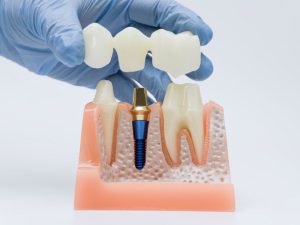
What Happens During Crown Replacement?
Replacing a crown generally begins with an assessment of the tooth, gum, and existing crown, often supported by an X-ray to check the health of the tooth root and surrounding bone. Your dentist will discuss the findings and outline the recommended next steps.
The general process typically includes:
- Assessment of the current crown and underlying tooth
- Removal of the old crown
- Treatment of any decay or damage found underneath, if present
- Taking an impression or digital scan for the new crown
- Fitting a temporary crown while the permanent one is made
- Placement and adjustment of the final crown
The exact steps can vary depending on the individual case, and your dentist can walk you through what to expect for your specific situation.
Frequently Asked Questions
How often should a dental crown be checked?
Dental crowns are generally reviewed as part of your regular dental check-ups, which are commonly recommended every six months, though your dentist may suggest a different interval based on your oral health. Regular reviews help identify early signs of wear, decay, or gum changes before they become more noticeable.
Can a cracked crown be repaired instead of replaced?
In some cases, a minor chip may be able to be smoothed or repaired, but a significant crack usually means the crown needs to be replaced to maintain proper protection of the tooth. Your dentist can examine the dental crown to determine which option is suitable for your situation.
Is it normal for a crown to feel slightly different after several years?
Some changes in sensation over time can occur due to normal wear, gum changes, or shifts in bite, and this is worth mentioning at your next check-up. It doesn’t automatically mean something is wrong, but a dental assessment can confirm whether the crown is still functioning as intended.
Does replacing a crown hurt?
Crown replacement is generally carried out with local anaesthetic to help keep the area comfortable during treatment, and any post-treatment sensitivity is usually temporary. Your dentist can talk you through pain management options based on your individual case.
What happens if a loose crown is left untreated?
A loose crown left unaddressed may allow bacteria to reach the tooth underneath, which can increase the risk of further decay or damage over time. It’s best to have a loose crown checked promptly rather than waiting for symptoms to develop.
Conclusion
Dental crowns are designed to protect and restore teeth, and many last for years with proper care, but their condition can change over time due to wear, decay, or shifts in the surrounding gum and bite.
Being aware of signs like sensitivity, looseness, or visible damage can help you know when it’s worth booking a check-up. Regular dental visits remain the most reliable way to monitor a crown’s condition and address any concerns early.
If you have questions about a crown or would like an assessment, the team at Dental and Facial Clinic West Ryde can provide guidance tailored to your individual needs and discuss whether a review or replacement may be appropriate for your situation.
References:
- Leeds Teaching Hospitals NHS Trust. (n.d.). Crowns. Available at: https://www.leedsth.nhs.uk/patients/resources/crowns/
- Healthdirect Australia. (n.d.). Dental crown procedure. Available at: https://www.healthdirect.gov.au/dental-crown-procedure/
- NHS. (n.d.). Dental treatments. Available at: https://www.nhs.uk/live-well/healthy-teeth-and-gums/dental-treatments/
- Healthdirect Australia. (n.d.). Cost of dental care. Available at: https://www.healthdirect.gov.au/cost-of-dental-care/