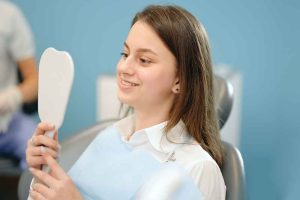
A confident smile can light up your face and boost your self-esteem. During orthodontic treatment, keeping your mouth clean plays a big role in achieving that perfect smile.
Many people today are turning to clear aligners as a modern, comfortable, and nearly invisible alternative to traditional metal braces.
These aligners are especially popular in West Ryde, where patients value both aesthetics and convenience in their dental care.
But while aligners are easy to wear, they require consistent cleaning to remain effective. Without proper care, bacteria, plaque, and food particles can build up, leading to unpleasant odours or cloudy aligners.
Maintaining a clean set of aligners not only protects your oral health but also helps your treatment progress smoothly. When cared for properly, they stay crystal clear, comfortable, and efficient at aligning your teeth.
Why Cleaning Your Clear Aligners Matters
Keeping your aligners clean is essential for both your oral hygiene and your overall treatment success.
Since clear aligners in West Ryde sit closely against your teeth for most of the day, they can easily collect bacteria, plaque, and leftover food. If not cleaned properly, this buildup can cause bad breath, cavities, and gum irritation.
Just like brushing your teeth, cleaning your aligners should become a daily habit. Dirty aligners can quickly lose their transparency, making them noticeable and unpleasant to wear.
Moreover, unclean trays can trap harmful bacteria that transfer back to your teeth, putting your oral health at risk. Clean aligners allow your treatment to move forward as planned, ensuring that each tray fits correctly and applies even pressure to your teeth.
Patients in West Ryde who take time to clean their aligners daily often find their treatment smoother and more effective.
Daily Cleaning Routine for Clear Aligners
Morning and Night Cleaning Habits
A consistent cleaning routine keeps your aligners clear and odour-free. Start your day by removing your aligners and rinsing them under cool or lukewarm water.
Avoid using hot water as it can distort the plastic and affect their fit. Use a soft-bristled toothbrush to gently clean both sides of the aligners using a mild, clear soap or cleaning solution.
Avoid toothpaste, as its abrasive particles can scratch the surface and make your aligners appear cloudy.At night, follow the same routine. Brush and floss your teeth thoroughly before reinserting your aligners.
This step is crucial because bacteria from your teeth can transfer to your trays, leading to plaque buildup and bad breath.
Making morning and night cleaning part of your daily schedule ensures your aligners remain clean and your smile stays fresh.
Rinsing After Every Meal
Rinsing your aligners after meals is one of the simplest yet most effective habits to maintain hygiene.
Every time you eat or drink something other than water, remove your aligners to prevent staining or bacterial growth. Once you’re done, rinse your mouth and aligners before putting them back on.
For those constantly on the go in West Ryde, keeping a travel-sized toothbrush and a small water bottle can make rinsing easy anywhere,at school, at work, or while commuting.
Even a quick rinse can help prevent food particles from sticking to your trays. This small effort helps maintain your aligners’ clarity and keeps your breath fresh throughout the day.
The Right Way to Brush and Soak Your Aligners
Using Gentle Brushes and Mild Solutions
Your aligners are made from smooth, medical-grade plastic that needs gentle care. Using a soft-bristled toothbrush is the safest way to clean them without causing scratches or dullness. Combine gentle brushing with a mild cleaning soap or an aligner-safe cleanser.
Avoid harsh chemicals, alcohol-based cleaners, or abrasive toothpaste, as they can damage the material and shorten the lifespan of your trays.
Brush each aligner thoroughly using circular motions, paying attention to both the inside and outside surfaces. This helps remove residue that can cause bad odours or cloudiness.
After brushing, rinse the aligners thoroughly with cool water to remove any soap residue before placing them back in your mouth.
Soaking Your Aligners for Deep Cleaning
While brushing removes daily buildup, soaking provides a deeper clean. You can soak your aligners once a day or every other day using solutions made specifically for aligner care,such as cleaning crystals or dissolvable tablets.
Fill a clean glass with water, drop in the tablet, and let the aligners soak for about 10 to 15 minutes. After soaking, rinse them under cool water and gently brush off any loosened debris.
This simple routine, often recommended by a best west ryde dentist, helps keep your aligners sanitised, odour-free, and crystal clear. Think of it as a mini spa treatment for your aligners,refreshing, gentle, and effective.

Common Mistakes to Avoid When Cleaning Aligners
Even small cleaning errors can affect your aligners’ clarity and performance. One of the most common mistakes is using hot water. Heat can warp the aligners, making them fit incorrectly.
Another mistake is brushing with toothpaste; while it might seem like a good idea, toothpaste is abrasive and can leave scratches that trap bacteria.
Using coloured or scented soaps is also a problem, as these can stain the aligners or leave an unpleasant taste.
Finally, never leave your aligners exposed to air for long periods. When aligners sit out in the open, they can collect bacteria and dust, making them unhygienic to wear.
By avoiding these mistakes and following a simple, consistent cleaning method, your aligners will remain comfortable, clear, and effective throughout your treatment journey.
How to Store Your Clear Aligners Properly
Proper storage is just as important as cleaning. When you remove your aligners to eat, brush, or play sports, always store them in their protective case.
Leaving them on a napkin, countertop, or inside a bag can expose them to germs or cause them to get lost. An aligner case keeps them safe, clean, and easy to locate.
In busy places like West Ryde, where students and professionals are constantly moving between school, work, and home, keeping an extra case on hand can be very useful.
It prevents accidents and ensures your aligners stay protected wherever you are. Clean your case regularly with warm, soapy water to avoid bacteria buildup.
Treat your aligner case as an essential part of your hygiene routine,it’s your aligners’ best protection when not in use.
Maintaining Oral Hygiene Alongside Clear Aligners
While keeping your aligners clean is vital, maintaining good oral hygiene is equally important. Brush your teeth after every meal to prevent food particles from getting trapped between your teeth and aligners.
If brushing isn’t possible, rinse thoroughly with water or mouthwash before reinserting them.Flossing once a day removes debris between teeth, preventing plaque from forming under your aligners.
If plaque builds up, it can lead to tooth decay and gum irritation, slowing your orthodontic progress. Good oral hygiene supports your treatment by keeping both your teeth and gums healthy.
Patients across West Ryde who follow a strong hygiene routine often experience faster and more predictable results with their aligners. Clean teeth and clean trays work together to create a radiant, confident smile.
When to Contact Your Dentist for Aligner Care Issues
Even with the best cleaning habits, your aligners may occasionally show signs of wear or damage. If you notice cracks, warping, or a change in fit, contact your dentist right away.
Aligners that don’t fit properly can delay progress or cause discomfort. Persistent odours or stains that don’t disappear after cleaning could also be a sign that you need professional advice.
Regular dental visits are essential during your aligner treatment. Your dentist can inspect your trays, ensure your teeth are moving correctly, and give you tips for better care.
At Dental and Facial Clinic West Ryde, our team provides guidance on proper cleaning methods and checks your aligners’ condition during routine appointments. These visits help keep your treatment on track and your smile healthy.
Additional Tips for Clear Aligner Care
To keep your aligners in top shape, avoid eating or drinking anything except water while wearing them.
Drinks like coffee, tea, or juice can cause staining, while sugary beverages may increase your risk of cavities. Always clean your aligner case regularly, as bacteria can collect inside it.
Follow your dentist’s schedule for switching to the next set of aligners. Using them longer than recommended can slow down your treatment and affect your results.
It’s also smart to keep your previous set as a backup in case your current one gets lost or damaged.Simple daily habits make a big difference.
By developing these small routines, you’ll protect your investment and keep your clear aligners looking and feeling fresh throughout your treatment.
Many people in West Ryde find that these habits make their orthodontic journey smoother and more rewarding.
The Role of Professional Cleaning Advice
Your dentist plays an important role in helping you maintain your aligners. Regular check-ups allow your dental team to monitor your progress, examine your trays, and recommend cleaning solutions suited to your needs.
They might suggest professional clear aligner cleaning systems or ultrasonic devices that remove stubborn buildup safely.
If you ever experience cloudiness, unpleasant smells, or discomfort despite following good hygiene practices, your dentist can provide the right advice and adjustments.
Professional guidance ensures that your aligners stay clear and your treatment continues without interruption. Partnering with a trusted dentist guarantees the best care for both your smile and your aligners.
Conclusion
Caring for your aligners is simple but vital for achieving your dream smile. Regular cleaning, proper storage, and good oral hygiene keep your trays clear, comfortable, and effective.
By rinsing after meals, soaking daily, and brushing gently, you protect both your teeth and aligners from bacteria and damage.Consistency is key,when you care for your aligners daily, they care for your smile in return.
For expert advice, cleaning tips, or routine check-ups, visit Dental and Facial Clinic West Ryde, where our team is dedicated to helping you maintain a confident, healthy smile that lasts.
References:
- Baybekov, O., Stanishevskiy, Y., Sachivkina, N., Bobunova, A. & Zhabo, N. (2022) ‘Isolation of Clinical Microbial Isolates during Orthodontic Aligner Therapy and Their Ability to Form Biofilm’, Journal of Orthodontic Research, vol. …, pp. … (Online). Available at: https://pmc.ncbi.nlm.nih.gov/articles/PMC10509397/
- Sfondrini, G., Cacciafesta, V., et al. (2023) ‘Home Biofilm Management in Orthodontic Aligners: A Systematic Review’, International Journal of Orthodontics, vol. …, no. …, pp. … (Online). Available at: https://pmc.ncbi.nlm.nih.gov/articles/PMC11506732/
- Rossini, G., Parrini, S., et al. (2024) ‘Biofilm Composition Changes During Orthodontic Clear Aligners Therapy: A Systematic Review’, Microorganisms, 13(5), 1039. doi:10.3390/microorganisms13051039. Available at: https://pmc.ncbi.nlm.nih.gov/articles/PMC11642593/
- Kraft, J., Horn, J.-G., Pistorius, A. et al. (2023) ‘Aligner therapy in adolescents: first-year results on the impact of therapy on oral health-related quality of life and oral hygiene’, Clinical Oral Investigations, 27, 369–375. Available at: https://link.springer.com/article/10.1007/s00784-022-04741-1