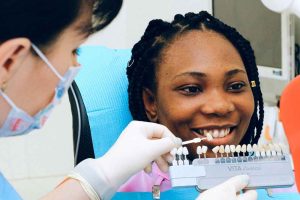
Living with missing teeth can affect almost every part of daily life. Simple moments like eating a meal, laughing with friends, or speaking clearly can become stressful. Many people feel self-conscious about their smile and may avoid social situations altogether.
Over time, missing teeth can also lead to changes in facial shape and jaw strength, which can make a person look older than they feel. Modern dentistry now offers solutions that go beyond temporary fixes and focus on restoring comfort, function, and confidence.
One advanced option that has helped many people rebuild their smiles is All-on-6 Dental Implants, a treatment designed to replace a full set of teeth with strong and lasting support.
Understanding Tooth Loss and Its Impact
Tooth loss does not happen overnight. It can develop due to gum disease, tooth decay, injury, or long-term wear on the teeth.
When teeth are missing, the jawbone no longer receives the pressure it needs to stay strong and healthy. Over time, this lack of stimulation can cause the bone to slowly shrink, leading to sunken cheeks and noticeable changes in facial shape.
Treatments such as all-on 6 dental implants in West Ryde help restore that pressure, supporting the jawbone and helping maintain natural facial structure when tooth loss is addressed early.
Beyond physical changes, tooth loss often brings emotional challenges as well. Many people feel self-conscious about smiling or worry that others will notice gaps in their teeth. Eating in public can also feel uncomfortable, especially when dentures move or chewing becomes difficult.
Over time, these concerns may affect confidence and overall quality of life. Restoring missing teeth is not only about appearance; it plays a key role in maintaining comfort, confidence, and long-term oral health.
What Are All-on-6 Dental Implants?
All-on-6 Dental Implants are a full-mouth tooth replacement option that uses six dental implants to support a complete arch of replacement teeth. These implants are placed into the jawbone and act as strong anchors.
A fixed set of teeth is then attached to them, creating a stable and natural-looking smile. Unlike removable dentures, this solution stays firmly in place and feels much closer to real teeth.
The replacement teeth are carefully crafted to suit the shape of the face and the natural bite. They are designed to look realistic while also allowing normal chewing and speaking.
Because the implants are secured in the jaw, patients often feel more confident using their teeth without fear of movement or discomfort.
Why Six Implants Are Used
Using six implants allows the biting force to be evenly spread across the jaw. This balance improves comfort and stability, especially when eating firmer foods.
The implants also help keep the jawbone active, which slows down bone loss over time. This added support plays a key role in making the final result feel strong and dependable for daily use.
How the All-on-6 Process Works Step by Step
The process is carefully planned to make the experience as smooth and predictable as possible. Each step is explained clearly so patients know what to expect from start to finish.
Consultation and Planning
The first step is a detailed consultation. The dentist examines the mouth, reviews dental history, and takes scans to assess bone strength and gum health.
This planning stage helps determine the best placement for the implants and whether any preparation is needed before treatment.
At Dental and Facial Clinic West Ryde, this stage focuses on comfort, clear communication, and long-term success.
Implant Placement
During the procedure, six implants are placed into specific areas of the jaw where the bone is strongest. The placement is done with precision to support the future teeth effectively.
After placement, the implants begin bonding with the bone through a natural healing process. This connection forms a solid foundation for the new teeth.
In many cases, patients receive temporary teeth on the same day. This means they can leave the clinic with a functional smile while the implants heal. These temporary teeth allow patients to continue daily activities with confidence during recovery.

Attaching the New Teeth
Once healing is complete, the final set of teeth is attached to the implants. These teeth are fixed, meaning they do not move or slip.
The dentist makes adjustments to ensure the bite feels comfortable and natural. The result is a full smile that looks balanced and feels secure.
How All-on-6 Restores a Full Smile
This treatment restores a smile by replacing missing teeth in a way that closely matches natural function. The fixed teeth support facial features, helping to maintain a fuller and more youthful appearance.
With support from experienced dentists in West Ryde, the implants are securely anchored into the jaw, allowing strong biting and chewing without discomfort or movement.
Speech also improves when teeth are stable and well-fitted. Words become easier to pronounce clearly, and everyday conversations feel more natural.
Many patients notice they feel more confident speaking in public and interacting with others. Over time, this renewed comfort often helps people regain the confidence to smile freely and enjoy social moments again, without worrying about their teeth.
Everyday Benefits After Treatment
After recovery, patients often notice positive changes in their daily routines. Eating becomes more enjoyable because the teeth remain steady during meals.
Foods that were once avoided due to discomfort can often be enjoyed again. There is no need for adhesives or special routines to keep the teeth in place.
Oral care is also straightforward. Brushing and cleaning around the implants can be done much like natural teeth. This simplicity makes it easier to maintain good oral hygiene and keep the mouth feeling fresh and healthy.
Who Is a Good Candidate for This Treatment?
Many adults who have lost most or all of their teeth may be suitable for this option. It is often chosen by people who struggle with loose dentures or have several damaged teeth that cannot be saved.
Even patients who have experienced some bone loss may still qualify, depending on their overall oral health.
A thorough dental assessment is always necessary to determine suitability. Factors such as gum condition, bone strength, and general health are considered.
Many people from West Ryde explore this treatment because it offers a stable and long-term solution that fits well with an active lifestyle.
Long-Term Results and Care
With proper care, the results can last for many years. Daily brushing, regular dental check-ups, and healthy habits help protect both the dental implants and the surrounding gums. Because the teeth are fixed, there is no need to remove them at night, which adds to comfort and convenience.
Over time, many patients say the teeth feel like a natural part of them. This sense of comfort and normalcy helps people enjoy everyday activities without constant worry about their smile.
Conclusion
Restoring a full smile after tooth loss can make a meaningful difference in daily life. A fixed implant solution helps improve eating, speaking, and confidence while supporting long-term oral health.
With careful planning and professional care, the results can feel both natural and reliable. For those considering full-mouth tooth replacement, a personalised consultation can help clarify the best options.
At Dental and Facial Clinic West Ryde, patients are supported through each stage of the process, making the journey toward a confident and comfortable smile feel clear and reassuring.
References:
- U.S. Food and Drug Administration. (n.d.). Dental implants: What you should know. Available at: https://www.fda.gov/medical-devices/dental-devices/dental-implants-what-you-should-know
- National Center for Biotechnology Information. (n.d.). Dental implants: A review of clinical outcomes. Available at: https://pmc.ncbi.nlm.nih.gov/articles/PMC6169171/
- Mayo Clinic. (n.d.). Dental implant surgery. Available at: https://www.mayoclinic.org/tests-procedures/dental-implant-surgery/about/pac-20384622
- National Center for Biotechnology Information. (n.d.). Osseointegration and long-term success of dental implants. Available at: https://pmc.ncbi.nlm.nih.gov/articles/PMC5846915/