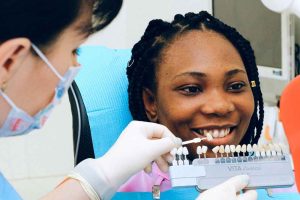
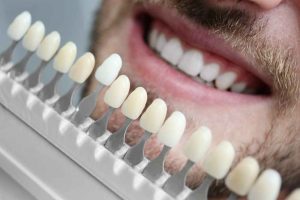
Losing most or all of your teeth can change everyday life in ways many people do not expect. Simple things like eating an apple, speaking clearly, or smiling in photos can suddenly feel difficult.
Many people also feel a loss of confidence and may avoid social situations because they are worried about how their smile looks or how dentures might move. Over time, these challenges can affect both physical comfort and emotional wellbeing.
Modern dentistry now offers long-term solutions that feel more natural and secure. Understanding who may benefit from this type of treatment is an important first step before making any decisions.
What Are Full Mouth Implants?
Full mouth implants are a modern dental solution used to replace an entire row of missing teeth in the upper jaw, lower jaw, or both. Instead of replacing each tooth one by one, a small number of dental implants are placed into the jawbone.
These implants work like strong anchors that support a full set of fixed replacement teeth, helping restore the shape and function of your smile.
The replacement teeth are carefully designed to look and feel like natural teeth. Because they are securely attached to implants, they stay firmly in place while eating and speaking.
Many patients choose full mouth implants in West Ryde because this option removes the need for loose, removable dentures and provides a more stable and comfortable experience.
With proper care, this treatment can greatly improve confidence and make everyday activities like chewing and talking feel natural again.
Why Some People Lose All Their Teeth
Gum Disease and Tooth Decay
Gum disease is one of the leading causes of tooth loss in adults. It often starts quietly, with red or bleeding gums, and can worsen if left untreated. Over time, the infection damages the bone that supports the teeth.
When the bone becomes weak, teeth may loosen and eventually fall out or need to be removed. Severe tooth decay can also destroy teeth beyond repair, especially when treatment is delayed for many years.
Injury or Trauma
Accidents can cause sudden and serious damage to the mouth. Sports injuries, car accidents, or falls may lead to the loss of several teeth at once.
In some cases, even prompt dental care cannot save the damaged teeth. When this happens, people often look for a solution that restores their smile in a strong and lasting way.
Age and Long-Term Wear
As people age, their teeth go through years of daily use. Chewing, grinding, and past dental work can slowly weaken teeth.
Fillings, crowns, and bridges may fail over time. Some people reach a stage where keeping their remaining teeth is no longer possible, leading them to consider full-mouth tooth replacement.
Who May Be a Good Candidate for Full Mouth Implants
People Missing Most or All Teeth
This treatment is commonly recommended for people who have already lost most or all of their teeth. It may also be suitable for those who still have teeth but are told they cannot be saved due to damage or infection. Replacing all teeth at once can sometimes be more practical than treating each problem tooth separately.
Patients Struggling With Dentures
Many denture wearers experience ongoing discomfort. Dentures can move while eating or speaking and may rub against the gums, causing sore spots.
For patients living in West Ryde, implant-supported teeth can provide a more stable option that stays in place and feels closer to natural teeth. This added stability often improves comfort and confidence.
Adults With Good General Health
Good overall health plays an important role in healing after dental implant treatment. Most healthy adults can be considered suitable candidates.
Conditions such as controlled diabetes do not always prevent treatment, but they should be discussed openly with the dentist to allow for proper planning and care.

Bone Health and Jaw Strength
Why Bone Density Matters
Dental implants rely on a strong jawbone for support. When teeth are missing for a long time, the jawbone may slowly shrink because it no longer receives pressure from chewing. This bone loss can affect how well implants hold in place.
Dentists use imaging scans to measure bone levels and check whether the jaw is strong enough for implants, which is why choosing the best dentist in West Ryde is important for accurate assessment and long-term success.
When Bone Grafting May Help
Even if bone loss has occurred, treatment may still be possible. Bone grafting is a procedure that helps rebuild areas of the jaw where bone has weakened. This added step can create a stronger base for implants. While it extends the treatment timeline, it allows more people to become candidates than they might expect.
Gum Health and Oral Care Habits
Healthy Gums Matter
Healthy gums are essential for successful implant treatment. Infections or ongoing gum inflammation must be treated before implants are placed. Clean and healthy gums help the implants heal properly and reduce the risk of future problems.
Willingness to Maintain Oral Hygiene
Implants require regular care, similar to natural teeth. Daily brushing, flossing, and routine dental visits help keep the gums healthy and protect the implants. Patients who are committed to good oral hygiene often experience better long-term outcomes.
Lifestyle Factors That Affect Candidacy
Smoking and Healing
Smoking can slow down the body’s healing process. It reduces blood flow to the gums and jawbone, which are both important for implant recovery. Smokers may face a higher risk of complications. Dentists often advise reducing or quitting smoking before and after treatment to support better healing.
Medical Conditions to Discuss
Some medical conditions may affect how the body heals after implant placement. Immune system conditions or uncontrolled health issues may require extra care and planning. These conditions do not always rule out treatment, but honest discussion with the dental team is necessary to create a safe plan.
Age and Full Mouth Implants
Is There an Age Limit?
There is no fixed age limit for receiving implants. Adults of many ages have had successful outcomes. What matters most is overall health, jawbone condition, and the ability to care for the implants. Even older adults can be suitable candidates when these factors are present.
Emotional and Practical Readiness
Commitment to the Process
Implant treatment involves several steps, including planning, surgery, healing time, and follow-up visits. It is not completed in a single appointment. Patients should feel ready to commit to the process and understand that improvements continue over time as healing progresses.
Realistic Expectations
While implants can greatly improve comfort and confidence, results take time. Healing varies from person to person, and small adjustments may be needed. Patients who understand this process and stay involved in their care often feel more satisfied with the outcome.
Consultation and Assessment Process
Dental Exams and Imaging
A thorough dental exam is required before treatment begins. This includes scans, X-rays, and a review of medical history. These steps help the dentist decide if Full Mouth Implants are suitable and how to place them safely and effectively.
Personalised Treatment Planning
Every patient’s mouth is different. Treatment planning takes into account bone levels, gum health, and individual needs. Clinics that see patients from West Ryde often focus on clear explanations so people understand each stage before moving forward.
During this phase, some patients may come across Dental and Facial Clinic West Ryde while researching professional care options.
Conclusion
Choosing a full-mouth tooth replacement option is a major decision that can affect comfort, confidence, and daily routines. A suitable candidate is someone who is missing most or all teeth, has stable bone and gum health, and is ready to care for their new smile.
A detailed assessment helps confirm whether this treatment is the right fit and what steps are involved. For those looking for guidance and clear information, speaking with an experienced dental team can make the process feel more manageable.
Dental and Facial Clinic West Ryde can provide professional insight and help patients explore whether this solution aligns with their long-term oral health goals.
References:
- U.S. Food and Drug Administration. (n.d.). Dental implants: What you should know. Available at: https://www.fda.gov/medical-devices/dental-devices/dental-implants-what-you-should-know
- American Dental Association. (n.d.). Dental implants. Available at:
https://www.mouthhealthy.org/all-topics-a-z/implants - Mayo Clinic. (n.d.). Dental implant surgery. Available at:
https://www.mayoclinic.org/tests-procedures/dental-implant-surgery/about/pac-20384622 - National Center for Biotechnology Information. (n.d.). Selection criteria for dental implant therapy. Available at: https://pmc.ncbi.nlm.nih.gov/articles/PMC1964742/