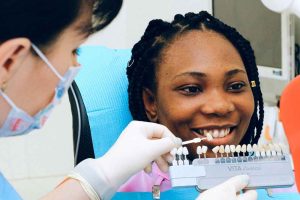
Every smile is different, and that is exactly why orthodontic care cannot follow the same plan for everyone. Teeth grow at different angles, jaws develop in their own patterns, and daily habits slowly shape how a smile looks.
Because of this, modern orthodontic treatment focuses on planning that fits the individual, not the crowd. Today’s aligner systems are built around careful planning, digital tools, and step-by-step guidance that match each patient’s needs.
When people understand how this process works, they often feel more relaxed and confident about starting treatment.
This article explains, in simple terms, how aligner treatment is planned from the very first visit to the final result, showing how science and careful planning come together to support healthier, straighter smiles.
Understanding the Basics of Clear Aligner Treatment
What clear aligners are
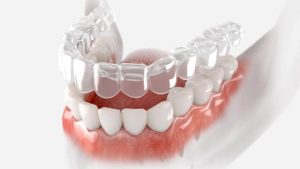
Clear aligners are thin, transparent trays that sit over the teeth and gently guide them into better positions over time. They are made from smooth plastic and are shaped to fit closely, which helps them feel comfortable during daily wear.
In the middle of treatment, many patients choose clear aligners in West Ryde because they offer a modern way to straighten teeth without the look of metal brackets or wires.
Each tray in the series is carefully planned to create small, steady movements, making the process gradual and controlled.
Since the trays can be removed, brushing and flossing stay simple, which helps people maintain good oral care habits throughout treatment.
This balance of comfort, convenience, and effective results is why clear aligners continue to be a popular choice for both teens and adults.
How aligners move teeth step by step
Teeth are moved slowly and carefully. Each tray is worn for a short period, often one to two weeks, before switching to the next one.
Every new tray applies gentle pressure in a slightly different way. This gradual movement allows the teeth and surrounding bone to adjust safely.
The slow pace helps reduce soreness and supports healthy changes. All of this movement is planned in advance, so each tray plays a role in the overall treatment journey.
The First Step – Getting to Know the Patient’s Smile
Initial consultation and smile goals
The journey begins with a detailed consultation. During this visit, the dentist talks with the patient about what they would like to change about their smile. Some people want to straighten crowded teeth, while others want to close gaps or improve how their bite feels.
The dentist also explains what aligner treatment can achieve and what limitations may exist. This open conversation helps create realistic expectations and builds trust from the very beginning.
At Dental and Facial Clinic West Ryde, this stage focuses on clear communication. Patients are encouraged to ask questions and share concerns so they feel informed before moving forward.
Oral health checks before planning
Before any tooth movement is planned, the dentist checks the overall health of the mouth. Healthy gums and teeth are important for successful treatment. Issues like cavities or gum inflammation are treated first.
Moving teeth in an unhealthy environment can lead to discomfort or complications, so addressing these concerns early helps support smoother progress later on.
Digital Scans and Smile Records
How 3D scans work
Modern clinics use digital scanners to create detailed images of the teeth and gums. These scanners capture thousands of images in just a few seconds and combine them into a three-dimensional model.
The result is a clear digital copy of the patient’s mouth that shows tooth shape, spacing, and bite alignment. This model becomes the foundation for the entire treatment plan.
Why digital images are more accurate than old methods
Digital scans are more precise than older impression methods. Since images appear instantly on a screen, dentists can check details right away and retake scans if needed.
This accuracy is important because even small differences in tooth position can affect how aligners fit. Better records help dentists plan movements more carefully and predict results with greater confidence.
Creating a Digital Treatment Plan
Mapping tooth movement on a computer
Once scanning is complete, special software is used to plan how each tooth will move. The dentist carefully adjusts the digital model step by step, showing how the smile will change over time.
During this stage, a dentist in West Ryde maps out every movement in a clear and controlled order, from the first tray to the final one, to make sure the teeth shift safely and smoothly. Patients often get to see a preview of their future smile, which helps them understand what to expect and feel more confident about the treatment plan.
This visual approach makes the process easier to follow and reassures patients that each stage has been thoughtfully planned for the best possible result.
Predicting timelines and results
The digital plan also helps estimate how long treatment may take. While timelines can vary from person to person, having a clear plan gives both the dentist and patient a shared guide.
This planning stage reduces uncertainty and allows changes to be made before aligners are created. Thoughtful preparation at this stage saves time and helps treatment stay on track.
How Each Aligner Is Made
Turning digital plans into physical aligners
After the digital plan is approved, it is sent to a specialised lab where the aligners are produced. Advanced machines use the digital data to shape each tray so it matches the planned tooth positions.
Every aligner represents one stage of movement. Because the trays are based on precise digital models, they fit snugly and work as intended.
Why each tray is slightly different
Each tray in a set is designed to be a little different from the one before it. These small changes are what move the teeth gradually. If all trays were the same, no movement would happen.
Wearing each tray for the recommended time allows the teeth to shift safely. Skipping trays or rushing the process can slow progress and affect results.
Testing, Adjustments, and Quality Checks
Reviewing the fit
Before treatment begins, the dentist checks how the aligners fit. They should sit comfortably on the teeth without sharp edges or gaps. A proper fit helps apply even pressure and improves comfort. If something does not feel right, changes can be made before the patient continues.
Making small changes when needed
Sometimes teeth do not move exactly as expected. When this happens, new scans may be taken and the plan adjusted. These refinements help keep treatment moving forward.
The ability to review and update plans is a strong part of modern aligner care, as it allows dentists to respond to real changes during treatment.
Wearing the Aligners and Monitoring Progress
What patients do at home
Patients play an active role in their treatment. Aligners are worn for most of the day and removed only for eating, drinking hot beverages, and cleaning teeth.
Keeping aligners clean and wearing them as instructed helps support steady progress. Daily habits make a big difference in how smoothly treatment goes.
Follow-up visits and progress checks
Regular check-ups allow the dentist to monitor progress and answer questions. These visits are usually short and focused.
The dentist checks how the teeth are moving and confirms that the aligners are fitting well. Ongoing guidance helps patients stay motivated and confident throughout the process.
Why Custom Design Improves Comfort and Results
Better fit and smoother movement
Because each aligner is planned for one individual, the fit is more comfortable. Teeth move in small, planned steps, which helps reduce pressure and soreness. Careful planning also avoids unnecessary movements, making treatment more efficient and easier to manage.
Fewer surprises during treatment
Custom planning allows dentists to consider challenges like crowding or bite issues from the start. When these factors are addressed early, treatment tends to run more smoothly.
Patients appreciate knowing what to expect and seeing steady progress. This thoughtful approach helps many people feel confident about choosing clear aligners as part of their orthodontic care.
Conclusion
Custom aligner treatment works because it begins with understanding the person behind the smile. From digital scans and careful planning to well-made trays and regular check-ups, every step is focused on matching care to individual needs.
This process supports comfort, accuracy, and steady improvement over time. With clear guidance and ongoing support, patients can feel informed and involved throughout their journey.
If you are considering orthodontic treatment and want to understand your options better, a professional consultation can help you take the next step with confidence. Dental and Facial Clinic West Ryde is proud to guide patients through every stage of their smile journey.
References:
- National Institutes of Health – MedlinePlus. (n.d.). Orthodontics. Available at:
https://medlineplus.gov/orthodontia.html - National Center for Biotechnology Information. (n.d.). Clear aligner orthodontic treatment: A review. Available at: https://pmc.ncbi.nlm.nih.gov/articles/PMC7018497/
- National Center for Biotechnology Information. (n.d.). Accuracy and effectiveness of clear aligner therapy. Available at:https://pmc.ncbi.nlm.nih.gov/articles/PMC8998426/
- National Center for Biotechnology Information. (n.d.). Digital workflow in orthodontic aligner treatment. Available at: https://pmc.ncbi.nlm.nih.gov/articles/PMC8158275