Getting braces can feel like a big step, especially if you are not sure what will happen during the appointment. Many people imagine long procedures, discomfort, or complicated tools.
These worries often come from not knowing what the process actually looks like. When you understand each step ahead of time, the experience feels more predictable and far less stressful.
ceramic braces are chosen by many teens and adults because they blend in with natural teeth. While they look different from metal braces, the placement process follows a clear and careful plan.
This article explains what happens during braces placement in simple terms. By the end, you will know what to expect before, during, and after your appointment, so you can feel confident walking into the dental chair.
Understanding Ceramic Braces Before Placement
What Are ceramic braces?
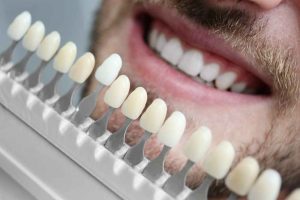
Ceramic braces are orthodontic appliances used to straighten teeth using tooth-coloured brackets and a thin wire. The brackets are made from a clear or white material that blends closely with the natural shade of teeth.
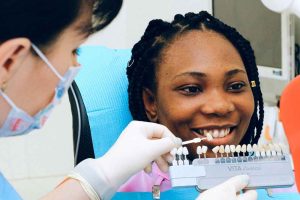
Because of this, they are much less noticeable than traditional metal braces, especially during everyday activities like smiling, talking, or taking photos, which is why many patients choose ceramic braces in West Ryde for a more subtle orthodontic option.
These braces work in the same way as metal braces. Each bracket is attached to a tooth, and a wire connects all the brackets together.
Gentle pressure from the wire slowly guides the teeth into better positions over time. The main difference is how they look, not how they function or how effective they are at improving alignment and bite balance.
Who Usually Chooses Ceramic Braces?
Ceramic braces are often chosen by older teens and adults who want a more subtle orthodontic option. Students, office workers, and people who interact closely with others often feel more comfortable choosing braces that are less visible.
They can be used to treat many common concerns, such as crowded teeth, gaps, and mild bite problems.
Your dentist or orthodontist will decide if this option suits you by checking your tooth shape, bite pattern, and daily habits. Some cases may still be better treated with other orthodontic options, depending on how much movement is needed.
The First Consultation Before Placement
Oral Health Check and Records
Before braces are placed, the dentist completes a full oral health check to make sure teeth and gums are ready. Photos, X-rays, and digital scans are then taken to understand tooth position and plan safe, effective movement.
Discussing the Treatment Plan
The dentist explains the plan clearly, including timing, visit frequency, and daily care. This discussion helps patients in West Ryde feel informed, confident, and relaxed before starting treatment.
Preparing Teeth on the Day of Placement
Cleaning and Drying the Teeth
On the day of placement, the appointment usually begins with a thorough cleaning of the teeth. This removes plaque and surface debris so the brackets can bond properly.
Once cleaned, the teeth are dried carefully, as moisture can weaken the adhesive. You may notice a small device that keeps your lips and cheeks away from your teeth.
This helps the dentist see clearly and keeps the area dry. While it may feel a little unusual, it is not painful and makes the process smoother.
Applying the Bonding Solution
After cleaning, a gentle conditioning gel is applied to the front surface of each tooth. This gel slightly changes the tooth surface so the adhesive can grip well. It stays on for a short time and is then rinsed away completely.
Once the surface is ready, a bonding adhesive is placed on each tooth. This adhesive acts like a strong glue that holds the bracket securely in place during everyday use.
Attaching the Ceramic Brackets
Positioning Each Bracket Carefully
Each ceramic bracket is placed on a tooth one at a time. The dentist positions every bracket very carefully because even small placement changes can affect how teeth move later.
At a dental clinic in West Ryde, this step is carried out with precision to ensure the braces work smoothly over time. You may feel light pressure during this stage, but it should not cause pain.
After a bracket is positioned correctly, a special blue light is used to harden the adhesive. This light works quickly and helps the bracket stay firmly attached within seconds, allowing the dentist to move on to the next tooth without discomfort.

What the Patient Feels During Bonding
Most patients are surprised by how calm this part of the appointment feels. There is no drilling, no injections, and no cutting involved. The main challenge is keeping your mouth open for a while, which can feel tiring. Dentists usually offer short breaks if needed.
This stage often takes the most time because accuracy matters. Taking extra time here helps make the rest of the treatment smoother.
Placing the Archwire and Elastic Ties
Inserting the First Wire
Once all brackets are in place, the dentist inserts a thin wire through each bracket. This wire is what creates the gentle force needed to move teeth. For the first appointment, the wire is usually light and flexible to reduce discomfort.
The wire runs through small slots in the brackets and connects them into one system. This is the part that begins the tooth movement process.
Securing the Wire with Ties
Small elastic ties or clips are used to hold the wire in place. These ties may be clear or tooth-coloured to keep the braces looking subtle.
The dentist checks carefully to make sure nothing feels sharp or uncomfortable. Once this step is complete, the ceramic braces are fully placed and ready to begin working.
Final Checks Before You Leave
Bite and Comfort Check
Before the appointment ends, the dentist asks you to gently close your mouth and move your jaw. This helps check how your teeth meet and whether any bracket interferes with your bite. If something feels off, small adjustments are made right away.
You will also receive instructions on how to brush and clean around the braces. This includes learning the right brushing angles and using tools that help clean between brackets and wires.
Instructions for the First Few Days
Patients are given clear guidance on what to expect after placement. Mild soreness is common as teeth begin to respond to pressure. This usually starts a few hours after the appointment and fades within several days.
Soft foods are often recommended at first. You may also receive orthodontic wax to place over brackets that rub against your cheeks or lips as your mouth adjusts.
What to Expect After Placement
Normal Sensations and Changes
In the days following placement, teeth may feel tender when biting or chewing. This tenderness is a sign that the braces are doing their job. Most patients notice improvement within a week.
Speech may feel slightly different at first, but this usually settles quickly as your mouth adapts. Eating slowly and choosing softer foods can help during this adjustment period.
Early Follow-Up Appointments
Your first follow-up visit is usually scheduled a few weeks later. During this visit, the dentist checks how your teeth are moving and makes small adjustments if needed.
Over time, wires may be changed to guide further progress. Patients in West Ryde often find that each visit feels easier as they become familiar with the process.
Common Questions Patients Ask
How Long Does the Placement Appointment Take?
Placement appointments usually last between one and two hours, depending on how many teeth are involved. While this may sound long, most of the time is spent on careful positioning rather than active treatment.
Can I Go Back to School or Work After?
Yes, most people return to school or work the same day. There is no recovery period required. Any soreness usually begins later and can be managed with simple home care.
Conclusion
Ceramic braces placement follows a calm, step-by-step process focused on comfort and precision. From cleaning and bonding to placing the wire and checking your bite, each stage supports smooth treatment.
With regular visits and daily care, progress becomes clear. Dental and Facial Clinic West Ryde offers supportive guidance throughout care.
Reference:
- National Health Service (2023) Orthodontics and braces, NHS England. Available at:
https://www.nhs.uk/conditions/orthodontics/
- American Association of Orthodontists (2022) How braces work, American Association of Orthodontists. Available at: https://www.aaoinfo.org/treatments/braces/
- MedlinePlus (2024) Orthodontic appliances, U.S. National Library of Medicine. Available at:
https://medlineplus.gov/ency/article/002990.htm
- Alqahtani, N. D., et al. (2023) ‘Clear aligners and fixed orthodontic appliances: A comprehensive review’, Journal of Orthodontic Science, 12: 1–10. Available at:
https://pmc.ncbi.nlm.nih.gov/articles/PMC10626255/